Table of Contents: Australian Door Lock Types
Comparing Australian door lock types before drilling or ordering hardware ensures your replacement lock matches your existing backset (60mm vs 70mm), cross-bore hole (54mm), and door thickness (35mm–45mm). Below are the core door lock types stocked in our Victorian warehouse for 24–48hr dispatch.
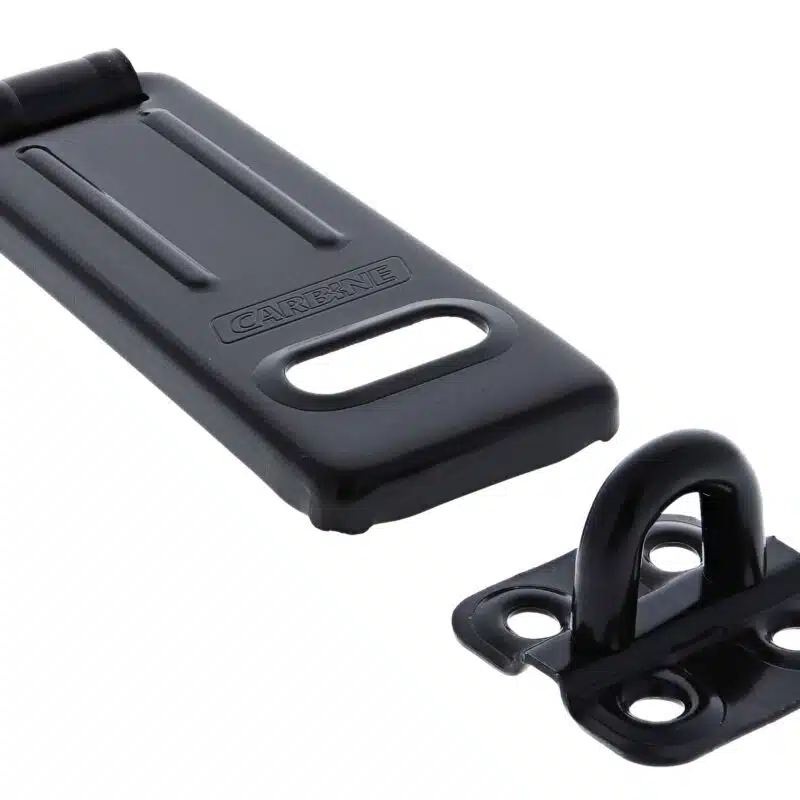 1. Rim Deadlatches & Deadbolts
Choosing the right door lock types is vital to keep your home safe from break-ins. A solid door gives little safety if a weak lock fails under pressure. In addition, different entryways need the right hardware built for their unique setup. All orders from Lock Warehouse dispatch fast from our Melbourne warehouse with free delivery on orders over $149.95 AUD.
Every home faces different risks across front, back, and side entrances. Therefore, matching proven door lock types to each door frame gives long-term peace of mind. Whether you are upgrading an older house or building a new home, our store supplies trade-tested hardware. In fact, our team brings over 30 years of licensed locksmith skill to help you choose.
Introduction to Door Locks and Security
Physical door security serves as your front line of home defense. In Australia, quality hardware is tested against strict national standards set by Standards Australia under AS 4145.2. This regulatory standard evaluates door lock types against brute force, physical wear, and lock picking.
Many homeowners buy cheap, generic locks from big box retail chains. However, these basic locks often use thin pot-metal cams and weak internal pins. As a result, they can break easily when kicked, forced, or picked. Buying certified hardware keeps your family safe and stops forced entry fast.
Different entries also need specific door lock types to work properly. Solid timber doors, hollow-core doors, glass sliders, and pocket doors each have unique weak spots. Understanding how distinct door lock types fit each door material helps you choose the best hardware for your property.
Understanding Different Door Types
Securing a property starts with checking how each doorway works in your home. External entrances, back access points, and internal room dividers each face different risks and physical loads.
Front Doors and Their Locking Needs
Main entryways are the primary access point for homes, apartments, and small offices. Therefore, entrance security hardware must balance strong break-in defense with smooth daily use. External front doors in Australian homes are usually solid wood, composite fiberglass, or steel-clad panels.
The standard setup pairs an operating handle with an auxiliary deadbolt. For example, a heavy-duty deadbolt like the Carbine Commercial Deadbolt stops kicking attacks cold. In addition, many owners choose lock sets that combine a handle, deadbolt, and passage latch in one neat package.
Modern homes are also moving fast toward digital keyless entry. Standalone models like the Carbine CEL2 Standalone Deadbolt fit standard 54mm cross-bore door holes with ease. This unit combines a backlit keypad, tap-and-go RFID cards, and a hidden C4 key override. For phone control, the Carbine CEL2 Digital Deadbolt Bluetooth lets you send guest PINs using a secure mobile app. If you prefer a lever handle, the Carbine CEL Digital Leverset gives you quick 3-in-1 keyless entry.
| Door Material | Main Risk | Recommended Standard | Top Hardware Picks |
|---|---|---|---|
| Solid Core Timber | Kick-in & jimmy attacks | AS 4145.2 / ANSI Grade 2 | Carbine Commercial Deadbolt, Carbine CEL2 Deadbolt |
| Composite Fiberglass | Lock picking & drill attacks | ANSI Grade 2 Certified | Carbine CDL2 Digital Deadbolt, Carbine CEL Leverset |
Rear Doors: Security Considerations
Police data shows that rear doors are the most common entry point for home burglaries. Back doors often lead into private yards or dark patio areas away from street view. In addition, builders often fit back entries with lighter wood, hollow cores, or glass panels.
Securing rear doors needs mechanical hardware built to withstand brute-force attacks:
- Double Cylinder Deadbolts: Fit a double cylinder lock if glass panels sit within one meter of the door. This setup needs a key from both sides, so thieves cannot break glass and turn a thumbturn.
- Automatic Deadlatches: Surface deadlatches like the Lockwood 001 Double Cylinder Deadlatch provide strong defense against door kick-ins. When shut, an auxiliary pin locks the latch bolt automatically, stopping credit-card shimming tricks.
- Secondary Multi Bolts: Adding a Carbine Combination Multi Bolt gives you a second physical barrier. Its steel bolt locks deep into the frame sill, resisting heavy crowbar prying.
Key Features to Consider When Choosing a Lock
Comparing various door lock types requires looking at build quality, internal metals, and daily access needs.
Material and Durability
The metals used inside a lock dictate how well it resists physical force and daily wear. Budget retail locks often use cheap die-cast zinc or thin pressed steel. Under heavy kicks, these brittle parts snap along stress lines, leaving your home open.
When you compare door lock types, check these key material standards:
- Solid Extruded Brass: Lock cylinders should always be made from solid extruded brass. Brass resists wear against moving pins, turns smoothly, and handles heavy force without snapping.
- Hardened Steel Anti-Saw Pins: Quality deadbolts have a hardened steel roller pin inside the brass bolt. If a thief tries to cut the bolt with a hacksaw, the pin spins freely to stop the cut.
- Salt-Spray Testing: Trade locks from Carbine undergo 48 to 240 hours of salt testing. As a result, finishes like Matte Black and Satin Chrome will not rust or pit.
Lock Mechanisms and Styles
Modern homes use both mechanical and keyless door lock types to fit different lifestyles:
- Pin-Tumbler Brass Systems: The heart of Australian door lock types is the standard 6-pin cylinder using the C4 keyway. Choosing C4 locks lets a locksmith key your front locks, back locks, and padlocks to one single key.
- Digital Keypad Deadbolts: Keypad locks like the Carbine CDL2 Deadbolt replace keys using 4 to 8 digit PINs. They also feature scramble codes that hide your real PIN from smudge marks on the touch screen.
- Proximity RFID Locks: Running on the 13.56MHz MIFARE band, RFID locks let you tap cards, fobs, or phone stickers to open doors. This setup is great for kids and seniors who find keys tricky to turn.
Selecting a Lock for Hinged Doors
Hinged doors make up most interior and exterior entry points across Australian homes. However, choosing among hinged door lock types requires taking exact measurements of your door cutouts first.
The most vital measurement for hinged door lock types is the backset. This is the distance from the flat door edge to the center of the keyhole or handle hole:
- Standard Australian Backsets: The standard residential backset across Australia is 60mm. In contrast, older timber doors and commercial mortice locks often use a 70mm backset. Versatile locks like the Carbine CEL2 and CDL2 feature an adjustable latch that switches between 60mm and 70mm.
- Door Thickness Fitment: Inside doors typically measure 32mm to 35mm thick. Outside solid timber doors usually measure 35mm to 45mm thick, while commercial doors reach 50mm. Carbine digital deadbolts fit doors from 35mm to 51mm thick right out of the box.
- Hole Sizing: Most modern Australian doors use a standard 54mm face hole and a 25mm edge latch hole. Choosing door lock types made for 54mm holes means you avoid messy woodworking or drilling new holes. For classic lever handles, the Carbine Rosehill Leverset provides a clean, sturdy fit.
Choosing the Right Lock for Sliding Doors
Sliding doors present a very different security task compared to hinged doors. A hinged door swings into a door frame, but a sliding door moves sideways on a track. Therefore, standard spring latches fail here. An intruder could simply pry the door open or lift it off its track.
Sliding entries need dedicated hook and claw door lock types:
Cavity Pocket Sliding Doors
Internal cavity doors slide all the way into a wall pocket when opened. Standard lever handles stick out too far and hit the wall cavity studs.
For pocket doors, you must install low-profile flush hardware:
- Flush Pocket Door Pulls: The Nidus SCD Series offers a sleek, flush look for pocket doors. Fitting flush against the timber panel, these locks let the door slide smoothly into the wall recess without catching.
- Privacy and Passage Sets: For bathrooms, the Nidus SCD Privacy Set throws an expanding claw into the frame strike box. For hallways and pantries, the Nidus SCD Round Passage Set gives you clean slide pull action without a lock.
External Sliding Glass Patio Doors
Glass patio sliding doors are tempting targets for break-ins. Older sliding doors can often be lifted up and out of their tracks to bypass basic latches completely:
- Mortice Hook Patio Locks: Quality sliding patio locks use twin hooks or expanding beak latches. When locked, the steel hooks grip the strike plate firmly, stopping thieves from lifting the door off its track.
- Patio Multi Bolts: Adding a Carbine Combination Multi Bolt at the base of the door gives you strong extra protection. The steel bolt pins the door into the floor track, creating a dead stop that keeps the door shut.
Installation Tips and Considerations
Proper fitting is essential to make sure your chosen door lock types work smoothly for years to come.
DIY Installation vs. Professional Help
Because many modern locks fit standard Australian door cutouts, swapping out hardware can be an easy DIY project. Still, knowing when to call a locksmith keeps expensive timber doors from getting damaged.
When to DIY: If you swap an old 54mm lock for a new lock with matching cutouts, DIY is easy. Upgrading an old lock to a Carbine CEL2 or CDL2 digital deadbolt takes only a screwdriver and a tape measure. You just remove the old lock, adjust your latch backset, and screw the new lock firmly into place.
When to Hire a Master Locksmith: Call an accredited expert from the Master Locksmiths Association of Australasia under these conditions:
- Fresh Door Cutouts: Boring fresh 54mm holes and mortice pockets into new solid wood needs sharp chisels and hole saws. One wrong cut can ruin an expensive door leaf.
- Fire Door Rules: Fitting locks on fire doors must follow Australian Standard AS 1905.1. Installing unapproved door lock types on a fire door voids the building fire safety certificate and insurance cover.
- Master Key Systems: Setting up a restricted key system needs precision key cutters and pinning tools inside a trade workshop.
Common Mistakes to Avoid
Avoid these common setup errors to keep your door lock types working at their best:
- Latch and Bolt Binding: The latch bolt and deadbolt must slide into the strike box smoothly without rubbing. If you must push or pull the door to turn the key, your lock is binding. On smart locks, binding strains the motor, drains the battery quickly, and causes jam errors.
- Loose Auxiliary Pins: On automatic deadlatches, the small pin beside the latch must stay flat against the strike plate. If it slips into the frame hole, the deadlock fails, leaving the latch open to credit-card shimming.
- Over-Tightening Screws: Tightening face screws too hard crushes the timber core of the door. This pinches the internal spindle and causes stiff, sticky handle action. Tighten screws firmly by hand, checking that the handle springs back freely.
- Short Strike Screws: Quality deadbolts include short door screws and long 75mm steel screws for the frame strike plate. Always use the long screws on the door frame. This anchors the strike plate deep into the wall stud, stopping kick-in attacks.
Conclusion and Final Thoughts on Lock Selection
Assess your doors carefully across all entry points. By fitting strong deadbolts, securing back doors, and checking sizes, you build a solid home defense. In addition, matching the right door lock types to each door leaf keeps your family secure.
Unlike online drop-shippers that sell unverified foreign hardware, Lock Warehouse runs a real stocked warehouse right here in Victoria. Every item in our catalog is tested and approved by Master Locksmiths with over 30 years of trade experience.
Whether you need one deadbolt or a full matching suite, our team provides fast dispatch from our Melbourne hub. Browse our full online collection of architectural entrance hardware and smart digital deadbolts today to protect your property with genuine trade-grade hardware.