Learning how to lock a cavity sliding door properly ensures your bathroom, ensuite, bedroom, or home office pocket door latches securely into the closing jamb while still retracting 100% flush inside the wall cavity. At The Lock Warehouse, we stock Australia's complete range of architectural flush-mount cavity privacy locks and keyed pocket door locks in our Victorian warehouse (Melbourne, Victoria) for fast 24 to 48 hour nationwide dispatch.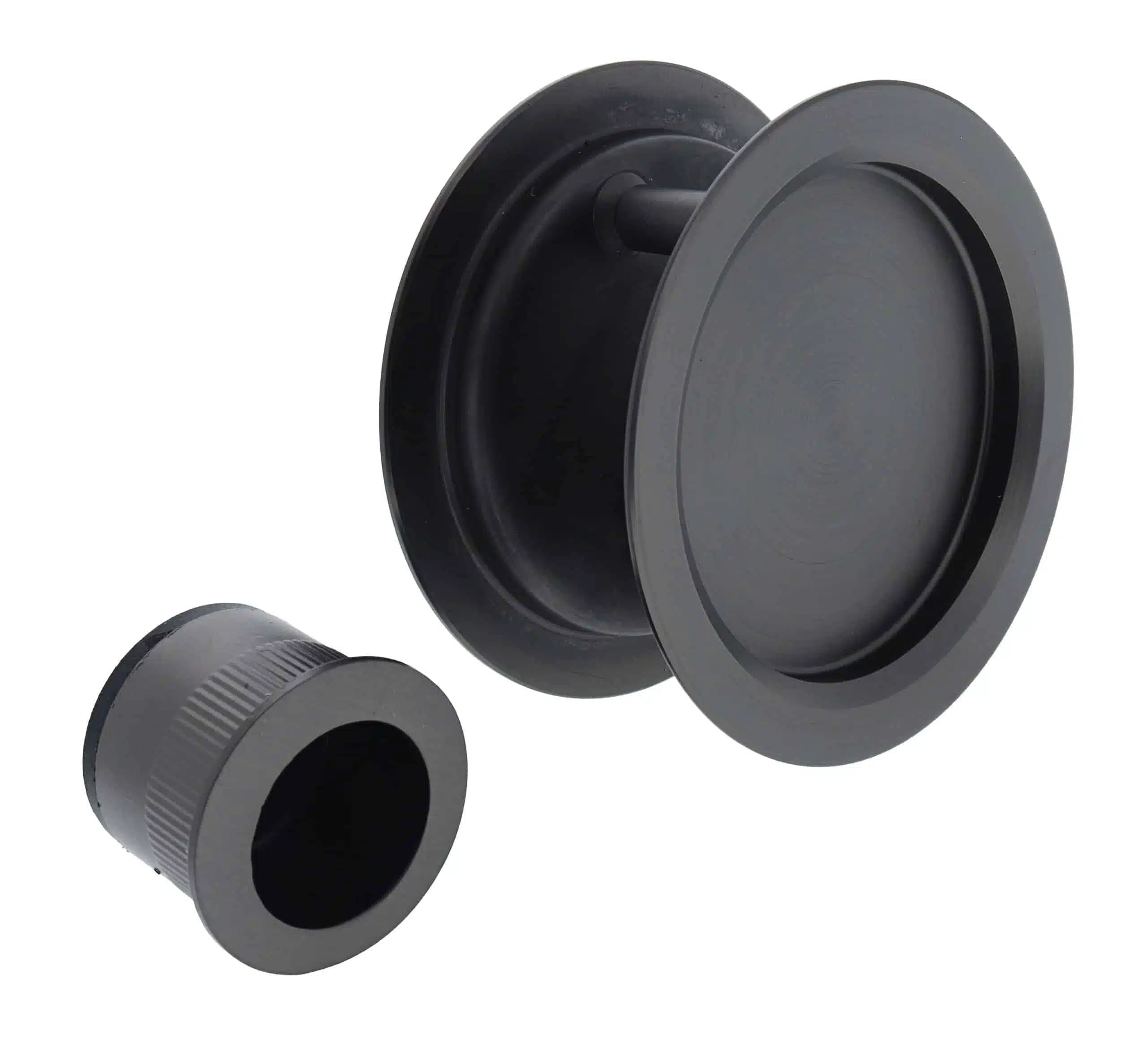
Quick Shop: Top Australian Cavity Sliding Door Locks (In Stock in Victoria)
Order genuine flush-mount cavity privacy and passage sets with 24-48hr Victorian warehouse dispatch and free Australia-wide shipping on orders over $149.95 AUD ($9.95 AUD flat rate under $149.95 AUD):
1. Mardeco M-Series Rectangular (8004) & Round (9004) Cavity Privacy Sets: Shop our Mardeco Architectural Cavity Locks Hub (available in Matte Black, Satin Brass, Brushed Nickel, Chrome Plate, and Gun Metal with 50-55mm or 35mm backsets and a 10-year mechanical warranty).
2. Nidus SCD Round & Square 54mm Bore Cavity Sliders: Browse our Nidus Cavity Sliding Door Locks Hub for fast 54mm face-hole retrofits across 35mm to 45mm timber pocket doors.
3. Full Sliding & Keyed Cavity Range + Melbourne Installation: Explore all 40+ Sliding & Cavity Door Locks, or book mobile locksmith installation across Melbourne and Victoria via All Secure Locksmiths on (03) 9306 6760 or 0421 149 760.
How to Lock a Cavity Sliding Door Without Fouling the Wall Pocket
When homeowners research how to lock a cavity sliding door, the first mechanical constraint to understand is clearance inside the timber or aluminium cavity frame. Because a pocket door slides completely inside a narrow wall recess (typically leaving only 4mm to 6mm of side clearance between the timber door faces and the split jamb studs), you cannot install a protruding lever or deadbolt knob. Instead, a dedicated cavity sliding lock uses flush-recessed side roses paired with a spring-loaded, drop-downhook beak that reaches across the closing gap and locks into a recessed strike plate morticed into the closing jamb.

Nidus vs Mardeco Cavity Lock: 54mm Round Bore vs Rectangular Mortice
Comparing a nidus vs mardeco cavity lock comes down to whether you are drilling a brand-new 54mm circular cross-bore or fitting a deep architectural rectangular flush pull:
1. Nidus SCD Round & Square Cavity Sliders (Standard 54mm Circular Bore): Nidus cavity privacy and passage sets install into a standard 54mm diameter circular hole drilled through the face of a 35mm to 45mm timber door at a 60mm backset, paired with a 25mm edge bore. This makes Nidus the fastest DIY swap when replacing an existing round flush pull in Australian project homes.
2. Mardeco M-Series 8004 Rectangular & 9004 Round Sets (Architectural Mortice Body): Mardeco's commercial-grade M-Series uses a full mortice lock case recessed into the door edge, offering a deeper finger grip, smoother thumb-turn action, an anti-slam retracting pin that prevents the hook beak from denting your timber jamb if closed while locked, and a 10-year mechanical warranty.
Choosing the Best Mardeco Privacy Lock (8004-35 vs 50-55mm Backset)
If you are selecting the best mardeco privacy lock for an ensuite or powder room, check the width of your door stiles before choosing between the standard 50-55mm backset model and the narrow 35mm backset (`8004-35`) model. Standard solid-core and hollow-core flush timber doors with a 110mm lock block accommodate the standard 50-55mm backset comfortably. However, if your cavity slider features narrow glazed timber stiles or shaker panelling narrower than 90mm, specify the Mardeco `8004-35` (35mm backset, suiting 34mm to 50mm door thicknesses) so the rectangular flush pull plate sits centred on the vertical stile without overlapping the glass bead or shaker moulding.
Installing a Cavity Slider Privacy Set: Step-by-Step Alignment Tips
When fitting a cavity slider privacy set, always adjust the overhead cavity track rollers and plumb the door against the closing jamb *before* chiselling the strike plate mortice. Hang the door, slide it to the fully closed position, and check that there is an even 2mm to 3mm parallel gap along the entire vertical closing edge. Mark the horizontal centreline of the lock hook on the closing jamb, mortice the keeper box to a flush 2mm depth, and test both the internal privacy thumb-turn and the external emergency coin-release slot (designed to meet Standards Australia residential bathroom safety guidelines so a child can be rescued from outside with a coin or flat screwdriver). Finally, test the spring-loaded edge finger pull to confirm the door can be retrieved effortlessly when pushed completely into the wall pocket.
Frequently Asked Questions
Q1: What is the easiest way for how to lock a cavity sliding door with a key instead of a bathroom privacy snib?
For home offices, store rooms, or medical consulting rooms that require key security rather than a coin-release privacy snib, choose a Keyed Cavity Sliding Lock from our Sliding & Cavity Door Locks collection, which pairs a flush cylinder with a hook deadbolt.
Q2: Can I lock double meeting cavity sliding doors (bi-parting pocket doors)?
Yes. On double bi-parting cavity doors, install a flush bolt or interconnecting strike kit on the secondary door leaf and mount your Mardeco or Nidus privacy hook lock on the primary active leaf so the hook locks the two meeting stiles together.
Q3: Do you offer mobile locksmith installation for cavity sliding locks in Melbourne?
Yes. Call All Secure Locksmiths on (03) 9306 6760 or 0421 149 760 for precision on-site morticing and cavity door lock installation across Metropolitan Melbourne and Regional Victoria.